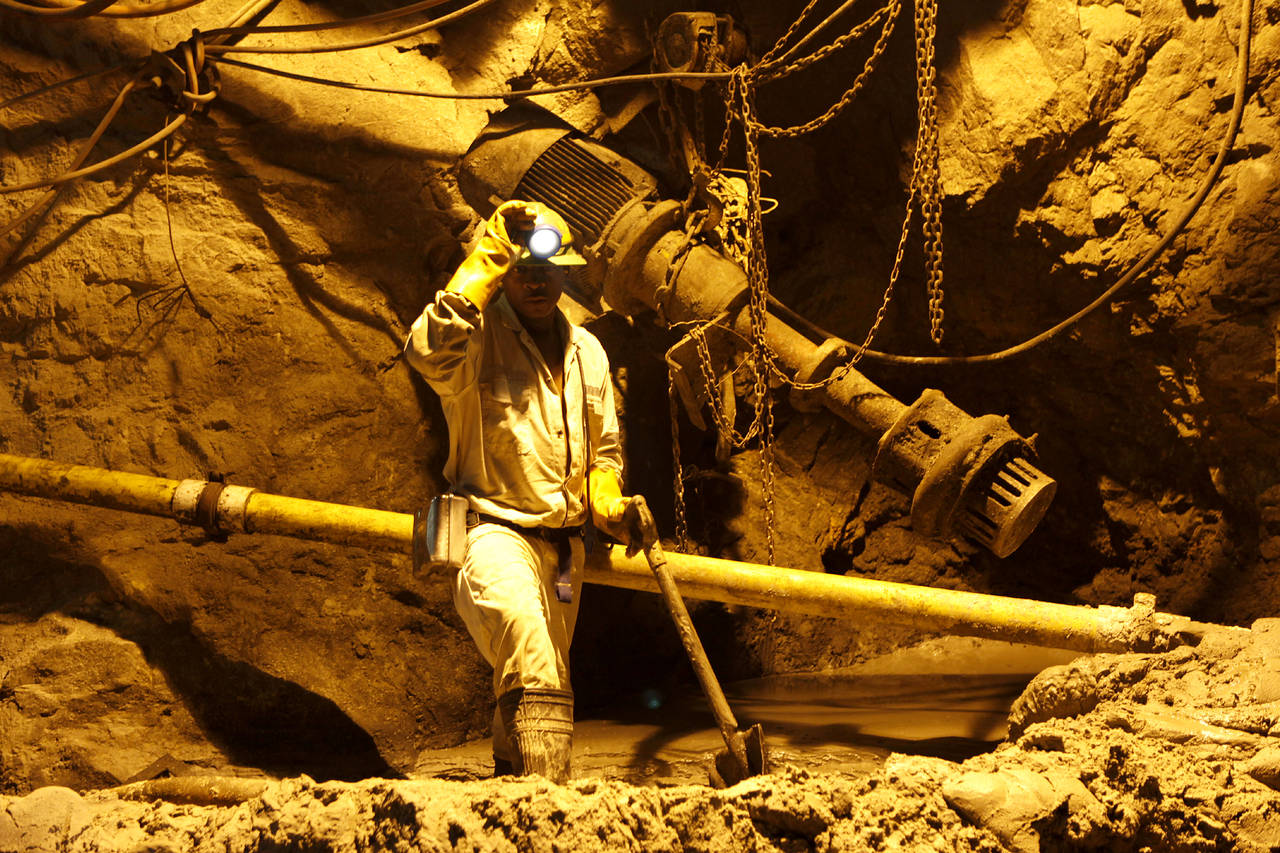
Gold wasn’t “discovered” in Africa by a single person at a single moment. Instead, African societies have known about and mined gold for thousands of years—long before European explorers arrived. The continent’s gold history is layered, spanning ancient kingdoms, trans-Saharan trade routes, and colonial-era rushes.
That said, certain key figures and events mark turning points in how Africa’s gold entered the global industrial economy. The most pivotal modern discovery occurred in South Africa in 1886—but that was just the latest chapter in a much older story.
Ancient African Gold: Knowledge Long Before Colonization
- Egyptians (as early as 2600 BCE): Mined gold in the Eastern Desert and Nubia (modern-day Sudan). The word “Nubia” may even derive from the Egyptian word for gold, “nub.”
- Kingdom of Ghana (8th–13th century CE): Controlled gold trade across West Africa, exchanging gold for salt with North African merchants. Arab scholars like Al-Bakri documented vast gold wealth, though they rarely saw the mines themselves.
- Great Zimbabwe (11th–15th century): This stone city thrived on gold trade with Swahili and Arab merchants along the Indian Ocean coast.
In these eras, African miners and traders were the true discoverers and stewards of the continent’s gold—not foreign explorers.
European Contact and Colonial Exploitation
When Portuguese, Dutch, and British traders arrived between the 15th and 19th centuries, they didn’t “find” unknown gold—they tapped into existing networks.
- Portuguese in West Africa (1400s): Built forts like Elmina Castle (in modern Ghana) to secure access to gold already being traded by the Akan people. They called the region the “Gold Coast.”
- Dutch in South Africa (1600s–1700s): Knew of small gold traces in the Eastern Cape but found no major deposits.
For centuries, Europeans bought gold from African intermediaries—they didn’t mine it themselves.
The Modern Turning Point: South Africa, 1886
The discovery that changed everything happened on March 4, 1886, when Australian prospector George Harrison found gold on the Witwatersrand Ridge, near present-day Johannesburg.
While small gold deposits had been found earlier in South Africa (notably in Barberton in 1884), Harrison’s find revealed the Main Reef—part of the vast Witwatersrand Basin, the richest goldfield in human history.
Why Harrison’s discovery matters:
- It triggered the Witwatersrand Gold Rush
- Led to the founding of Johannesburg
- Transformed South Africa into the world’s top gold producer for most of the 20th century
- Ultimately produced over 40,000 metric tons of gold—nearly half of all gold ever mined
Harrison himself sold his claim for £10 and disappeared from history—but his find reshaped a continent.
Other Key Modern Discoveries
- Ghana (formerly Gold Coast): Though gold was always known there, industrial mining began in the 1890s with British companies like Ashanti Goldfields.
- Democratic Republic of Congo: Belgian colonists developed large-scale mining in the Kilo-Moto region in the 1920s–1930s.
- Mali and Burkina Faso: Major deposits were mapped by French geologists in the mid-20th century, but large-scale mining only boomed after the 1990s.
A Note on Credit and Legacy
It’s important to acknowledge that African people had mined and traded gold for millennia before colonial arrivals. European “discoveries” were often just the moment when industrial extraction began—not the first knowledge of the metal.
Today, responsible sourcing recognizes this legacy by supporting formalized artisanal mining, fair labor practices, and local benefit-sharing—not just export.
How BUY GOLD AFRICA Honors This Legacy Through Ethical Trade
Based in Johannesburg—the city born from Harrison’s 1886 find—BUY GOLD AFRICA operates as a government-authorized private gold exporter that sources gold legally from South Africa, DRC, Tanzania, and Botswana.
The company ensures every gram is:
- Legally acquired from licensed producers
- Assay-certified (99.5%–99.99% purity)
- Fully documented with origin and export permits
By working only with compliant channels, BUY GOLD AFRICA helps global buyers access African gold without supporting conflict, exploitation, or informality—honoring the continent’s gold heritage with integrity.
Final Thought
So, who discovered gold in Africa?
African civilizations did—thousands of years ago.
Modern industrial mining simply built on that ancient knowledge.
Today, the continent remains central to the global gold story—not because of one prospector, but because of geology, history, and ongoing innovation.
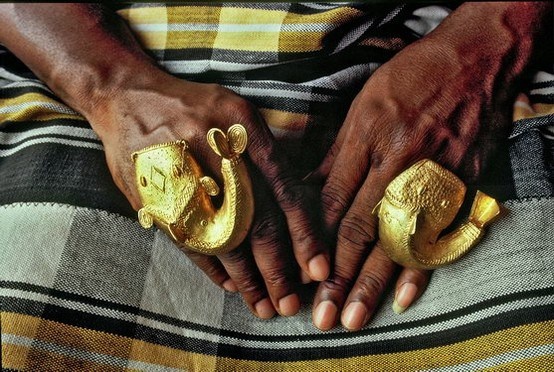
Source African Gold with Historical Awareness and Modern Compliance
Whether you’re refining, investing, or manufacturing, trust begins with a partner who respects both the past and the present.
Visit buygold.africa to learn more or contact BUY GOLD AFRICA directly at sales@buygold.africa for a quotation, documentation, or consultation.
Gold with roots in ancient Africa—delivered with modern professionalism and certified integrity.