A search for “Africa gold exporter Kenya photos” often returns a mix of images:
- Grainy shots of artisanal miners panning in rivers
- Unverified social media posts showing gold bars in hotel rooms
- Stock photos mislabeled as “Nairobi gold export”
- Brokers posing with gold in front of generic office buildings
But here’s the challenge: authentic photos of legal, large-scale gold exporting from Kenya simply don’t exist — because it doesn’t happen.
Kenya does not issue private gold export licenses. There are no LBMA-recognized refineries, no DMRE-equivalent oversight, and no formal bulk export infrastructure in Nairobi or elsewhere.
So when buyers — especially in the UAE, Europe, or North America — request proof of operation, sourcing, or compliance, what should they look for?
The answer: transparent, professional imagery from a certified exporter operating under a real regulatory framework — like BUY GOLD AFRICA in Johannesburg.
Since 2014, the company has exported over 1.4 tons of gold sourced responsibly from East and Southern Africa — and every step is documented, auditable, and photographically verifiable.
Below are three essential types of photos real buyers should expect — and why they matter.
1. Mine-Level Verification: Ethical Sourcing in Action
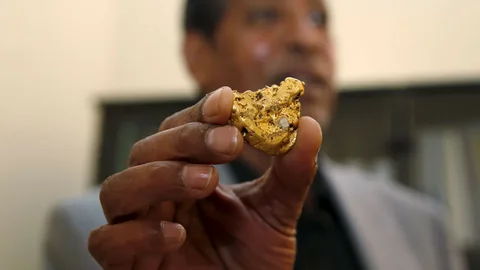
Why this matters:
This is not a staged stock image. It shows due diligence in practice — meeting OECD standards for responsible sourcing. Unlike anonymous “Kenya mine” photos with no context, this image proves:
✔ Cooperative is registered
✔ Location is documented
✔ Safety and ethical protocols are enforced
For jewelers and refiners, this is the first layer of trust.
2. Export Documentation: Compliance You Can See
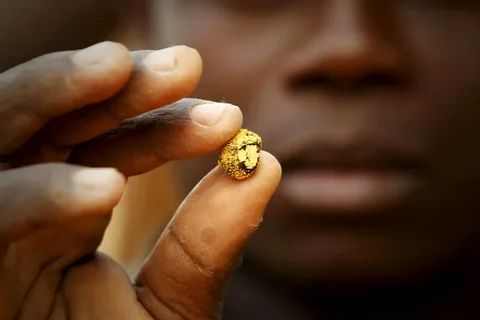
- DMRE Private Exporter License (with license number)
- SARS customs clearance barcode
- Third-party assay certificate (999.9 purity, LBMA-recognized lab)
- Mine origin declaration with region and GPS coordinates
- Insurance policy summary
All stamped and signed.*
Why this matters:
Dubai and EU customs reject shipments missing even one of these. A photo of real documentation — not a blurry WhatsApp screenshot — proves the exporter operates legally. Buyers can request these files before payment.
3. Logistics & Chain of Custody: From Mine to Market
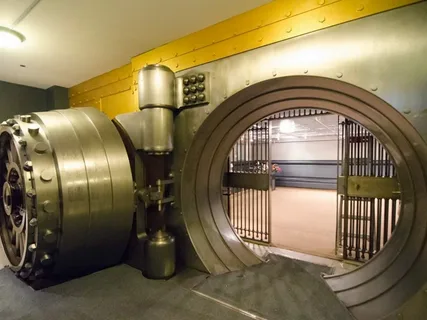
Why this matters:
This visual timeline shows end-to-end control. No gaps. No informal handoffs. Every stage is insured, tracked, and auditable — the exact opposite of unverified “Nairobi export” claims.
Why “Kenya Exporter Photos” Can Be Misleading
Many images circulating online raise red flags:
❌ Gold bars on beds or car seats — no vault, no security
❌ Unstamped assay reports or handwritten notes
❌ No company branding, license numbers, or verifiable personnel
❌ Claims of “direct export from Nairobi” with no SARS/DMRE paperwork
These visuals may look convincing — but they reflect informality, not legitimacy.
In contrast, BUY GOLD AFRICA welcomes photo documentation requests — because transparency is built into its operations, not added for marketing.
Serving East African Buyers — with Integrity
While based in Johannesburg, BUY GOLD AFRICA actively supports clients in Nairobi, Dar es Salaam, and Kampala — including:
- Jewelers seeking ethically sourced feedstock
- Investment groups building physical gold reserves
- Cooperatives looking for formal offtake partners
The company even arranges in-person briefings in Nairobi (by appointment), with compliance officers present to walk through real photos, documents, and sourcing maps.
Because trust, in gold, isn’t built on pixels — it’s built on proof.
Looking for verifiable photos, documentation, and sourcing proof from a certified Africa gold exporter?
Visit buygold.africa to download high-res imagery, sample dossiers, and regional sourcing maps. For due diligence support, email sales@buygold.africa — responses within 4 business hours.
BUY GOLD AFRICA: Where every photo tells a true story — and every kilogram carries the weight of credibility.