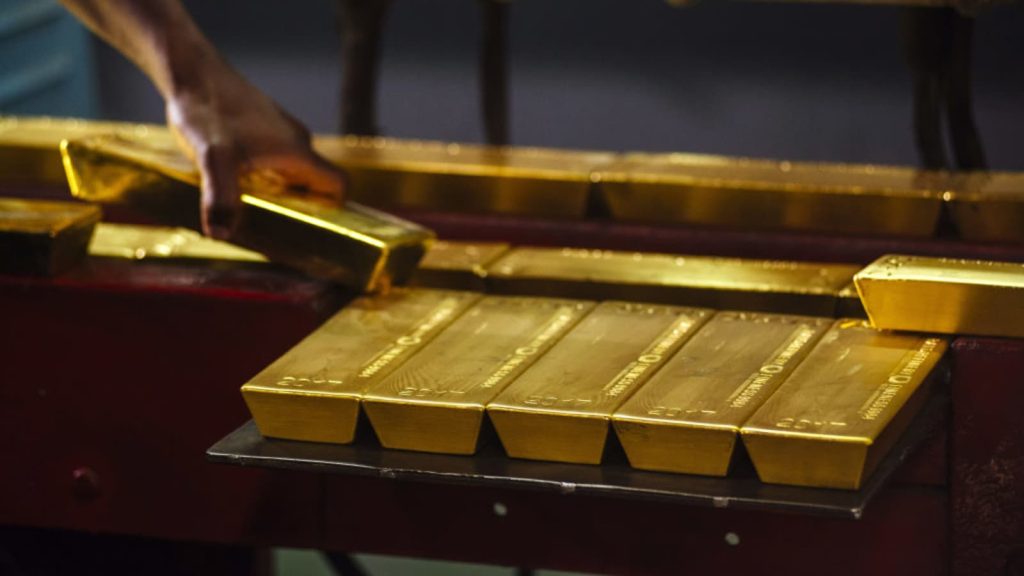
Gold export in Africa is not open to just anyone. Due to strict national regulations, anti-money laundering (AML) laws, and international oversight, only government-licensed and authorized entities can legally export physical gold from most African countries.
These exporters fall into three main categories:
- State-owned refineries and marketing agencies
- Multinational mining companies with export licenses
- Privately licensed precious metals traders and exporters
Crucially, unlicensed brokers, informal traders, or unverified “gold dealers” cannot legally export gold—despite what some online listings may claim.
Key Gold-Exporting Countries and Their Licensed Exporters
1. South Africa
South Africa has one of the most transparent and regulated gold export systems in Africa.
- Primary exporter: Rand Refinery (world’s largest gold refinery by volume), which refines and exports gold on behalf of mines
- Licensed private exporters: A limited number of government-authorized private traders, such as BUY GOLD AFRICA, operate under the Precious Metals Act and must comply with SARS (South African Revenue Service) and FICA regulations
- Export process: Requires permits from the South African Diamond and Precious Metals Regulator (SADPMR)
South Africa exports refined gold bars (99.5%–99.99% purity) primarily to the UAE, Switzerland, India, China, and the UK.
2. Ghana
Ghana restricts raw gold exports to protect local refining.
- Only licensed entities (mainly large miners like Newmont and Gold Fields) can export refined gold or doré
- The Precious Minerals Marketing Company (PMMC), a state agency, also exports gold from licensed small-scale miners
- Most exports go to Switzerland, UAE, and India
Private traders cannot freely export gold—making third-party “Ghana gold exporters” highly suspect without verifiable licenses.
3. Democratic Republic of Congo (DRC)
The DRC allows export but requires strict documentation.
- Exporters must be registered with the Ministry of Mines and comply with ITSCI or RJC-certified traceability programs to prove conflict-free origin
- Licensed trading houses and refiners (often based in Lubumbashi or Kinshasa) handle exports
- Major destinations: UAE (especially Dubai), Rwanda (for refining), and Turkey
Due to past issues with conflict minerals, due diligence is critical—only work with exporters providing full chain-of-custody records.
4. Tanzania, Mali, Burkina Faso
These countries allow gold export but impose royalties and require:
- Valid mining or trading licenses
- Assay certificates from accredited labs
- Central bank or mineral authority approval
Exports typically flow through Swiss, UAE, or South African refineries.
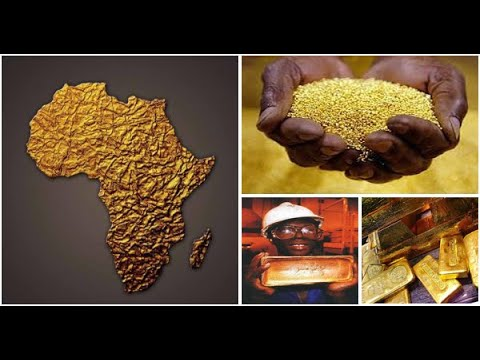
Who Cannot Legally Export Gold in Africa?
Be wary of:
- Unlicensed “gold dealers” with no physical office or government registration
- Sellers offering gold “from multiple African countries” with no verifiable export permits
- Entities using vague names like “Africa Gold Export” or “Gold Africa Ltd” without license numbers
- Brokers demanding upfront payment without documentation
These often operate in the informal or illegal sector, posing serious financial, legal, and reputational risks.
How BUY GOLD AFRICA Stands Out as a Verified Exporter
Based in Johannesburg, BUY GOLD AFRICA is a government-authorized private gold exporter licensed under South African law. Unlike unverified traders, the company:
✅ Holds official Precious Metals Act authorization
✅ Sources gold only through legal channels in South Africa, DRC, Tanzania, and Botswana
✅ Provides full documentation: assay certificates, origin proof, export permits
✅ Exports 100–290 kg annually, totaling over 1.4 metric tons since 2014
✅ Serves clients in the UAE, USA, Europe, Canada, and Asia
Every shipment is insured, tracked, and compliant with international AML and ESG standards—ensuring buyers receive real, legal, and traceable African gold.
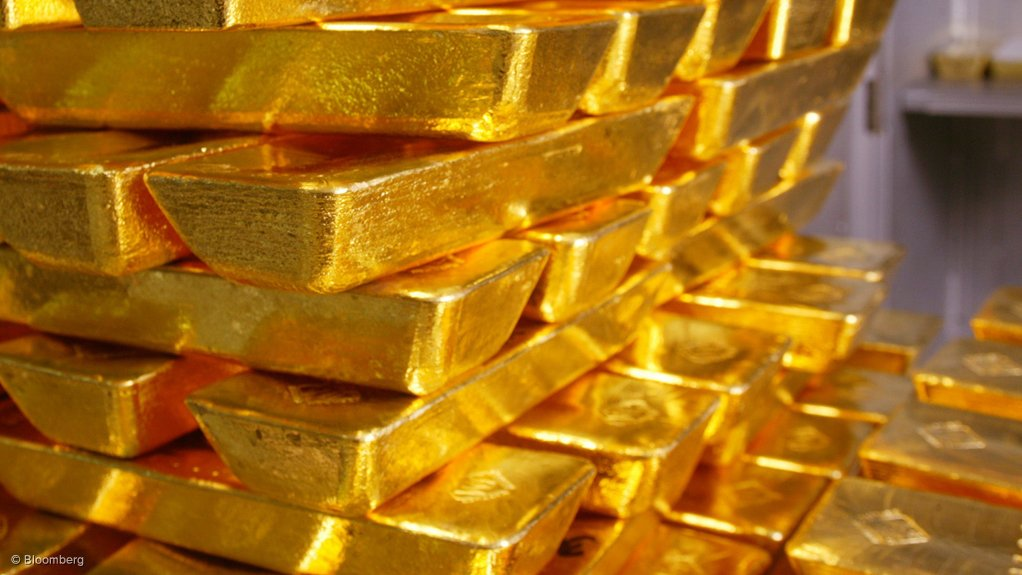
Why Legal Exporters Matter to Global Buyers
International regulations—such as the EU Conflict Minerals Regulation, UAE AML rules, and LBMA Responsible Sourcing Standards—require proof that gold is:
- Legally mined and exported
- Not linked to conflict or human rights abuses
- Fully documented from source to shipment
Only licensed African exporters can provide this assurance.
How to Verify a Gold Exporter in Africa
Before engaging any supplier:
- Ask for their government export license number (e.g., from SADPMR in South Africa)
- Confirm their physical address and years in operation
- Request sample documentation: assay report, export permit, company registration
- Avoid sellers who refuse video calls or site visits
Reputable exporters like BUY GOLD AFRICA welcome due diligence—they rely on trust and transparency.
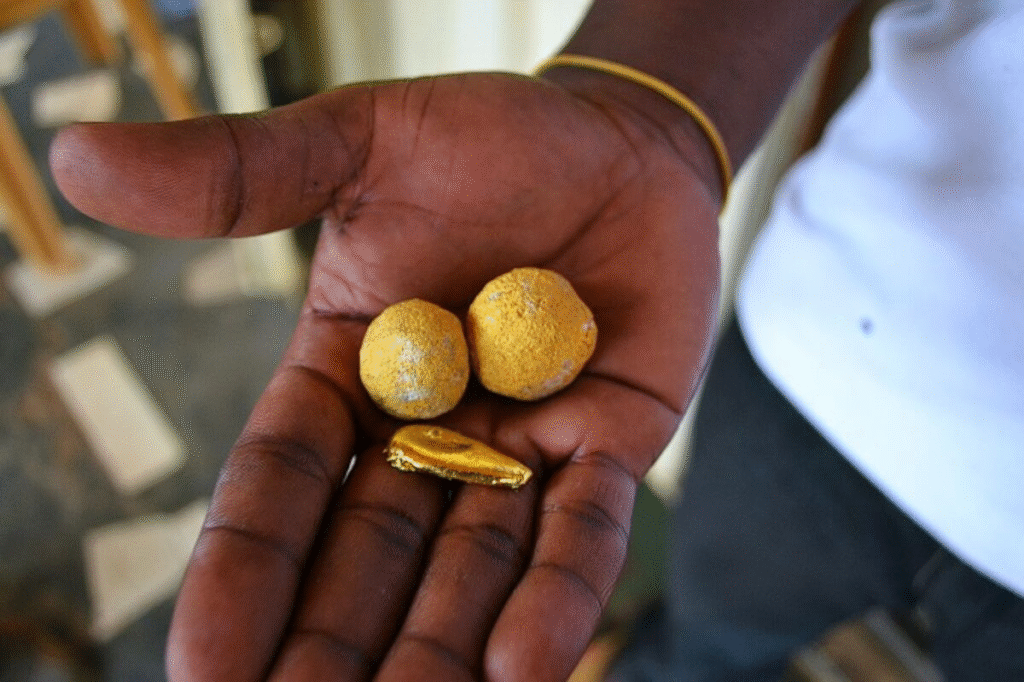
The Bottom Line
Gold is exported from Africa—but only by licensed, regulated entities. The continent’s top legal exporters operate from South Africa, Ghana, DRC, and Tanzania, serving global markets with increasing emphasis on ethics and compliance.
For international buyers, the key is not just where the gold comes from—but who exports it.
Partner with a Certified African Gold Exporter
Don’t risk unverified suppliers. Work with a transparent, government-licensed exporter who delivers real African gold—safely and legally.
Visit buygold.africa to learn more or contact BUY GOLD AFRICA directly at sales@buygold.africa for a quotation, due diligence package, or consultation tailored to your market.
Gold from Africa—exported with authority, integrity, and full compliance.